







Search Results for: Freshly Made Beverages
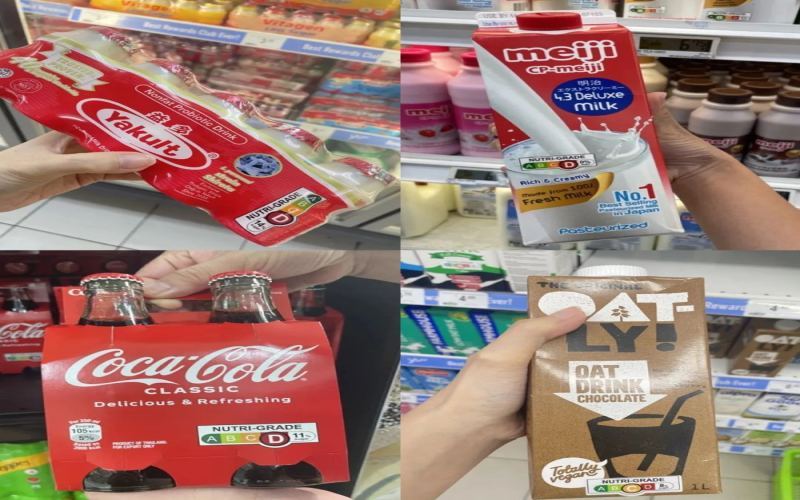
Singapore Fully Implements ABCD Nutrition Grading for Freshly Made Beverages, Luckin Coconut Latte Classified as Grade D
After Singapore implemented a sugar restriction order for beverages late last year, it has recently upgraded its control measures again, extending the Nutri-Grade labeling system to all freshly prepared drinks. From freshly brewed coffee and milk tea to fresh juices, even toppings like pearls and coconut jelly must now be labeled with their sugar content. Brands such as Starbucks, KOI Thé, and Ya Kun have gradually updated their menus, and Luckin's Coconut Latte has been classified as Grade D due to its high sugar and fat content. How exactly does this ABCD grading system work? What impact does it have on lattes and black coffee, which coffee lovers often drink? This article will outline the details of the new regulations and market reactions, and include purchasing advice from Front Street Coffee. [more…]

China's first group standard for "Whole-Leaf Fresh Milk Tea" officially takes effect, further accelerating the health-oriented upgrade of new-style tea drinks.
In recent years, consumers' growing attention to beverage health has driven tea drink brands to continuously iterate toward natural ingredients and clean formulas. Against this backdrop, the group standard "Original Leaf Fresh Milk Tea," proposed by the Guangxi Tea Circulation Association and drafted under the leadership of Chagee (Shanghai) Brand Management Co., Ltd., was approved for release and implementation, becoming China's first group standard for original leaf fresh milk tea in the new-style tea beverage sector. The standard clearly defines the terminology and definitions of original leaf fresh milk tea, and sets specific requirements for raw material selection, production processes, storage conditions, and prohibited additives, marking another important step forward in the standardization of the freshly made tea beverage industry. [more…]
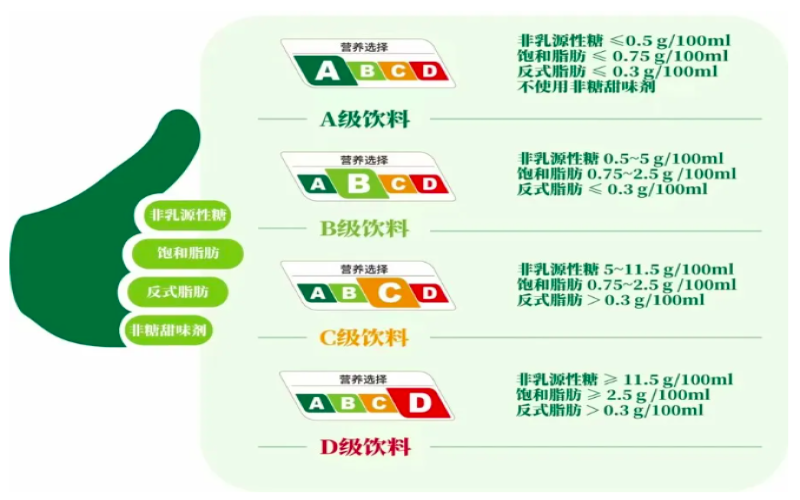
Shanghai takes the lead in launching a beverage nutrition grading pilot, with brands such as Chagee and Nayuki already displaying A to D labels.
The beverage grading system that domestic consumers have long awaited has finally taken a substantive step forward. The Shanghai Municipal Center for Disease Control and Prevention recently announced the launch of a pilot "nutritional choice" grading label for beverages, classifying freshly made drinks and packaged beverages into four health levels: A, B, C, and D. Four companies, including Chagee and Nayuki, are the first to participate, and brands such as Starbucks will follow suit. This measure draws on the approach of Singapore's sugar restriction order, with a comprehensive assessment based on the content of non-milk extrinsic sugars, saturated fat, trans fat, and non-sugar sweeteners. Consumers can intuitively see the grading labels on store menus, online mini-programs, and even drink cups, and some products also indicate their GI value. Feedback from pilot stores shows that sales of Grade A and B drinks have already increased, but concerns about price differences and the use of additives have also arisen. [more…]
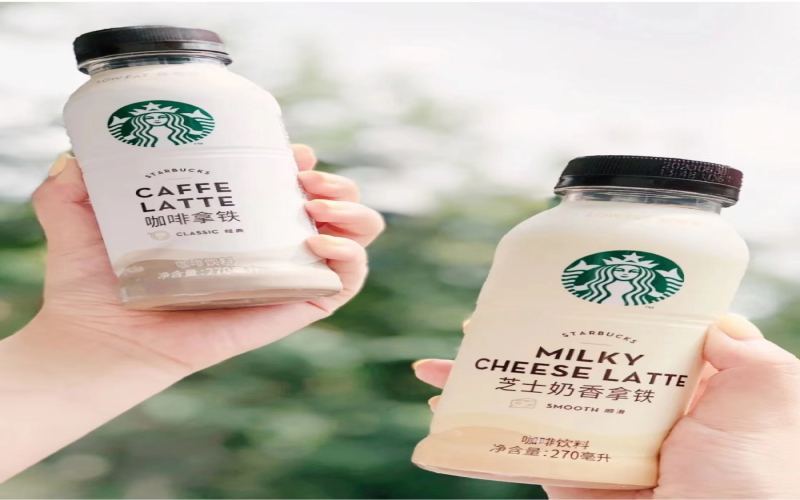
How is coffee drinks different from real coffee? Is the refreshing effect the same? Are ready-to-drink coffee and instant coffee the same thing?
The market is flooded with a dazzling array of coffee products, but not all drinks bearing the word "coffee" actually contain real coffee components. Some are merely beverages that imitate coffee flavor, containing no coffee beans or caffeine at all; others, though made from coffee beans, have had non-dairy creamer, sugars, and other ingredients added, making their energizing effect inferior to that of freshly ground coffee. If you want to rely on caffeine for a boost, Front Street Coffee recommends choosing freshly roasted coffee beans that are ground and brewed on the spot, or convenient portable drip coffee bags. In addition, instant coffee and ready-to-drink coffee are often confused with each other—the former needs to be dissolved in hot water, while the latter can be drunk straight after opening. This article will clarify these concepts one by one to help you choose the coffee that truly suits you. [more…]
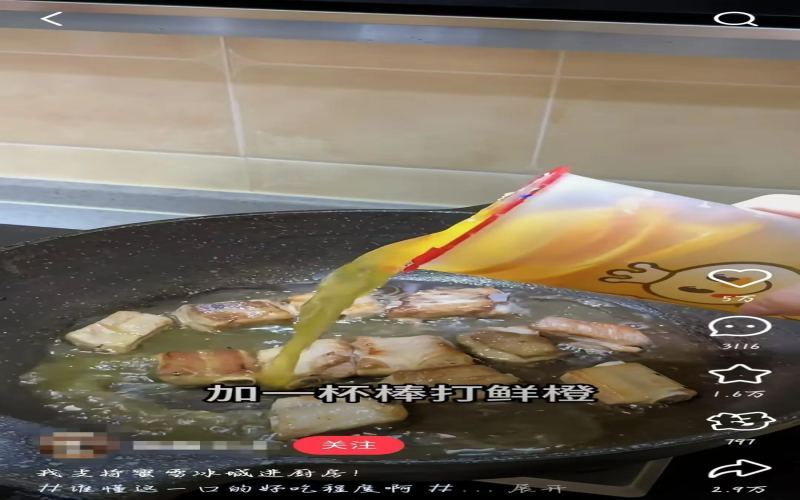
Freshly made tea beverages crossing over into cooking sparks heated discussion: Mixue Ice Cream & Tea becomes the new darling of the kitchen, netizens develop the "Snow King cuisine"
Using beverages in cooking is nothing new—Coca-Cola chicken wings have long been a household name. But recently, a group of wildly creative netizens have brought freshly made milk tea and fruit tea into the frying pan—Mixue Bingcheng's "Bangda Fresh Orange" is used to braise pork ribs, iced fresh lemonade replaces dipping sauce, and Four Seasons Spring milk tea is kneaded into dough to steam buns. This "Mixue Bingcheng goes into the kitchen" trend quickly went viral on social media, racking up tens of thousands of likes, with official accounts also joining in the interaction. Some see it as dark cuisine, while others who tried it exclaim it's surprisingly delicious. Is incorporating freshly made drinks into cooking actually reliable? And what intriguing details lie behind it? This article will take you on a deep dive. [more…]
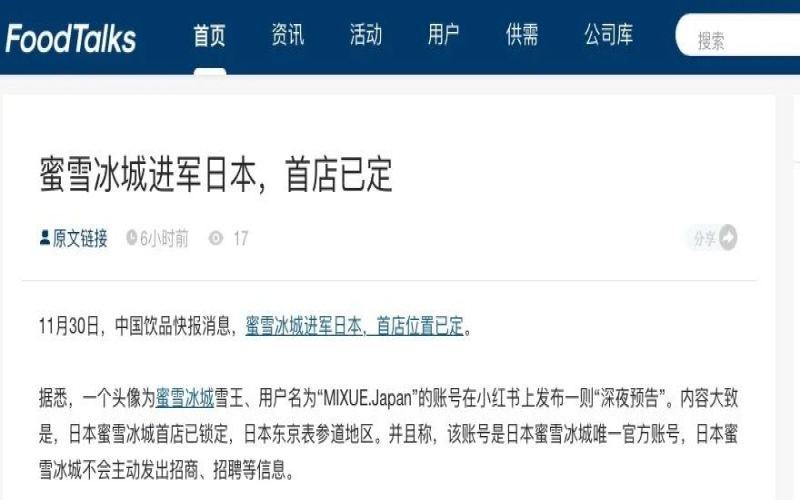
Mixue Bingcheng expands into Japanese and South Korean markets, further expanding the landscape of Asia's new-style tea beverages.
Chinese freshly-made beverage giant Mixue Bingcheng is accelerating its overseas expansion. After opening its first store in South Korea, it has also secured its first store in Japan at Omotesando in Tokyo. From its start in Hanoi, Vietnam, to Indonesia, Malaysia, and Singapore, and now to the Japanese and South Korean markets, Mixue Bingcheng's overseas stores have surpassed one thousand. Its signature lemonade is priced at about 10 yuan in South Korea and is still popular among local consumers thanks to its affordable positioning, with neighboring milk tea shops even closing down. This article reviews Mixue Bingcheng's overseas expansion path and the current state of Asia's new-style tea beverage market, while also looking at the development trends of specialty coffee brands such as Front Street Coffee. [more…]
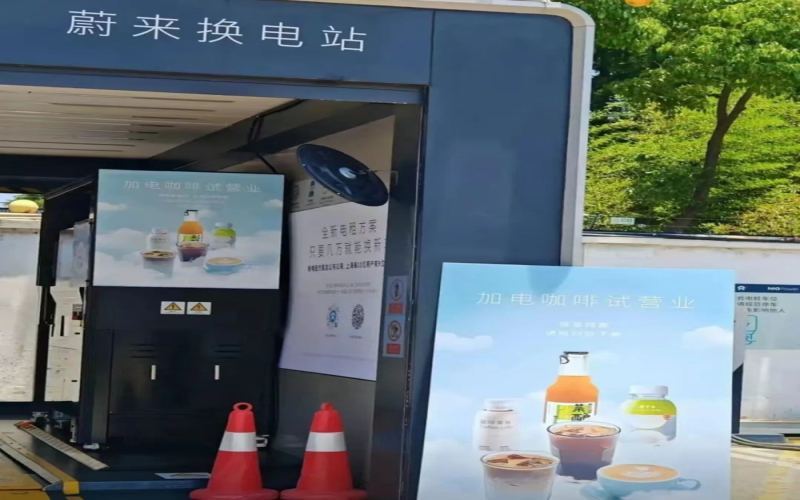
NIO Power Swap Stations Launch Freshly Ground Coffee Service: Robotic Arms Deliver Drinks to Car Windows, Shanghai Pilot Sparks Heated Discussion Among Owners
As early as 2022, the new energy vehicle brand NIO created its own coffee brand to offer exclusive beverages to customers visiting its stores. Recently, some owners have discovered that this coffee service has expanded from the stores to battery swap stations, where fully automatic coffee machines have been installed and are in the testing phase. After users place orders via a mobile mini-program, the coffee is precisely delivered by a robotic arm to the driver's window, while bottled drinks are handed over by staff. Currently, only the Minxin Tea City battery swap station in Shanghai is running a trial of "charging coffee," and the brand says it will adjust the equipment based on feedback and may expand it nationwide in the future. This cross-industry service has drawn praise from car owners and also sparked discussions about safety and scenario expansion. [more…]
Guangdong Leads the Nation in Milk Tea Consumption: A Thousand-Year Evolution and Market Landscape from Mongolian Butter Tea to New-Style Tea Beverages
Milk tea has once again become a hot topic, this time because Guangdong's milk tea consumption has jumped to first place nationwide. Alipay's spring report shows that warmer weather has driven an overall 10% increase in milk tea consumption, with online orders from middle-aged and elderly groups surging by 25%. From the fact that southern provinces account for 80% of consumption to Guangdong residents drinking 2.5 more cups per week per person than those in the Northeast, the data behind this reflects the deep penetration of milk tea culture. This article will trace the thousand-year evolution of milk tea from Mongolian butter tea to Hong Kong-style and Taiwanese-style, and then to new-style tea drinks, analyze the capital layout and brand echelons under a market scale of hundreds of billions, and remind readers: although milk tea is good, do not be greedy. [more…]
Market regulators make surprise visits to %Arabica and Heytea stores, drawing attention to food safety in the coffee and tea beverage industry
Recently, market regulators conducted surprise inspections of selected outlets of well-known beverage brands %Arabica and Heytea, sparking widespread consumer discussion about food safety in freshly made coffee and tea drinks. The operation focused on raw material storage, operational standards, and hygiene conditions, with the inspection results revealing that some outlets still have room for improvement in detail management. As coffee lovers, we should not only pay attention to flavor performance but also prioritize the safety and quality of beverages. This article will recount the inspection process and findings, and, in conjunction with the product characteristics of brands such as Front Street Coffee, explore how the industry can uphold the bottom line of food safety amid rapid expansion. [more…]
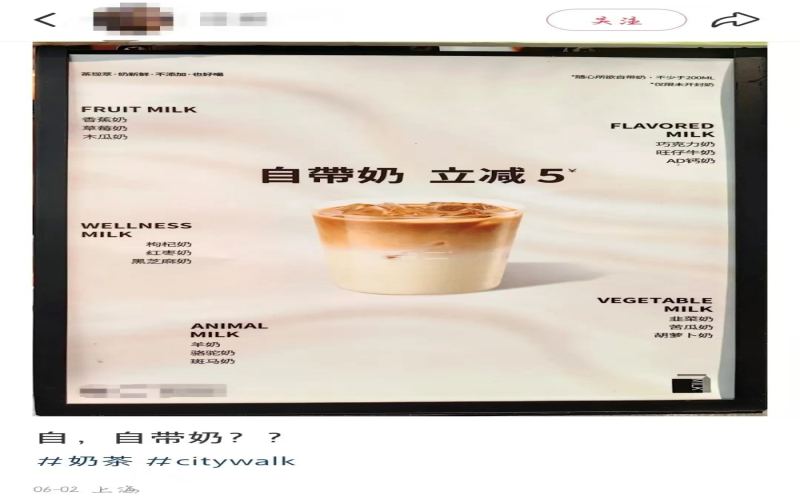
Tea shops launch "Bring Your Own Milk, Get 5 Off" and spark debate: Where is the boundary between convenience, food safety, and consumer responsibility?
Bringing your own cup to buy coffee is nothing new, but have you ever heard of "bringing your own milk"? A certain tea beverage brand launched a "bring your own milk, get 5 off" campaign, where customers bring their own dairy products and the store provides freshly brewed tea, sparking heated discussion among netizens. Supporters believe this is friendly to people with lactose intolerance and can also avoid additives like non-dairy creamer; opponents worry that food safety responsibilities are difficult to clarify. This article sorts out the views of all parties and compares the bring-your-own-cup rules of brands such as Starbucks and Manner, exploring how merchants should weigh the trade-off between offering discounts and risk control. [more…]
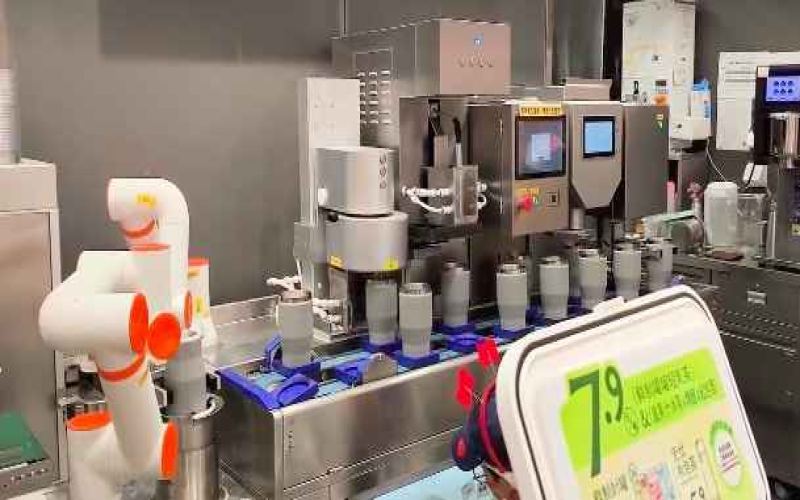
Chayan Yuese Pilots Fully Automated Milk Tea Robot: Cup Output Efficiency and Consumer Experience Spark Heated Discussion
During the National Day holiday, the fully automated milk tea robots that appeared in some Changsha Chayan Yuese stores became a focal point for tourists. Customers noticed that staff only needed to place a labeled cup in the designated position, and the robotic arm could complete most of the preparation process, with only the cream top needing to be added before handover at pickup. This experiment sparked polarized discussion online: supporters believe standardized operations help ensure consistent output and reduce the burden on employees; opponents point out that during peak customer flow, the robot's cup output speed is actually slower than manual work, resulting in longer waits, and equipment cleaning and customization needs still depend on staff handling. Whether automated tea-making can truly integrate into the freshly made tea beverage scenario has become a new topic of discussion in the industry. [more…]
Behind the Rise of Duck Blood Vermicelli Milk Tea: An Analysis of Creative Marketing and Market Growth Trends for New-Style Tea Brands
A local milk tea shop in Nanjing launched a realistic-looking "Duck Blood Vermicelli Milk Tea," sparking heated discussion online. Although the product is named after duck blood vermicelli, it is actually made with chocolate milk pudding to mimic duck blood and sweet jelly noodles to stand in for vermicelli, priced at 16 yuan. There are more than 50,000 related posts on Xiaohongshu, with netizens commenting that it "sounds bizarre but tastes surprisingly good." This phenomenon reflects the fierce competition and innovation anxiety in the new-style tea beverage market. From mini milk teas to niche fruits such as oil oranges and wampees, and on to the revival of whole-leaf tea, major brands are competing for consumers through novelty products, regionally distinctive ingredients, and traditional brewing methods. Data shows that China's freshly made tea beverage market reached 113.6 billion yuan in 2020 and is expected to reach 340 billion yuan by 2025. This article will analyze the market logic and consumer trends behind these creative marketing efforts, and also look at the moves of professional brands such as Front Street Coffee within the industry. [more…]
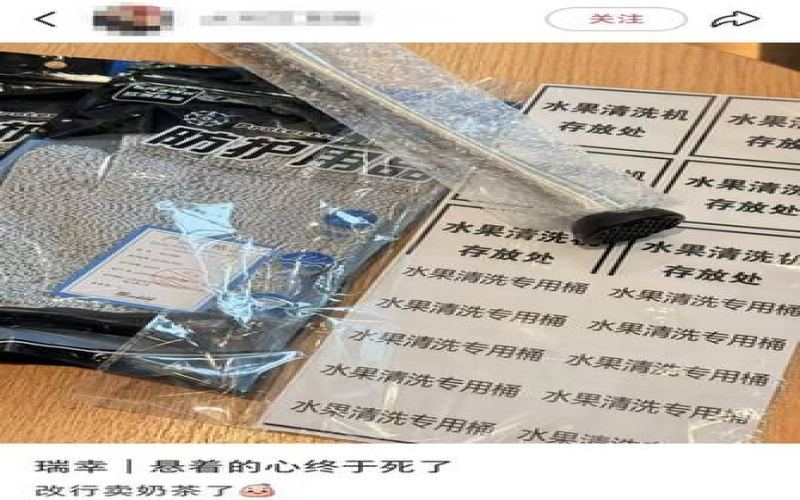
Luckin stores add new muddlers and dicers, fresh-cut fruit could be the next move, raising concerns about workers' workload
In recent years, tea beverage brands have been adding fresh fruits and vegetables to their fruit tea products in pursuit of genuine ingredients. Luckin, however, has long relied on fruit concentrates and quick-frozen dried fruit due to the limitations of its store conditions, making many tea beverage peers envious. Recently, though, some Luckin stores in Guangdong, Chengdu, and other regions have successively received new materials such as muddling sticks, cut-resistant gloves, and labels for fruit washing machine storage areas, while internal order forms also list equipment including dicers and strawberry hullers. These tools have no direct connection to the drinks currently on sale, and the appearance of a bitter melon light-body fruit and vegetable tea and a bitter melon fruit and vegetable Americano—neither of which is on the menu—in the mini-program coupons has sparked employees' speculation that Luckin may introduce fresh-cut fruit. Once freshly cut fruit enters the production process, whether Luckin stores staffed by a single person can withstand peak-hour pressure has become the most anxiety-inducing question for workers. [more…]

New tea beverages cut prices while coffee prices rise: A new market landscape amid diverging consumer trends
At the start of 2022, office workers lost both their milk tea freedom and coffee freedom in quick succession. But then new-style tea drink brands proactively cut prices, with Heytea and Nayuki even offering cups for 9 yuan, while coffee brands such as Starbucks and Luckin raised prices one after another due to rising raw material costs. Behind this divergence—one cutting prices, the other raising them—lies the reality that consumers are returning to rationality, the traffic dividend for new-style tea drinks is fading, and the coffee market is still in its early stage of expansion. This article sorts out the logic behind the price divergence between the new-style tea drink and coffee industries, and looks ahead to the future market landscape. [more…]
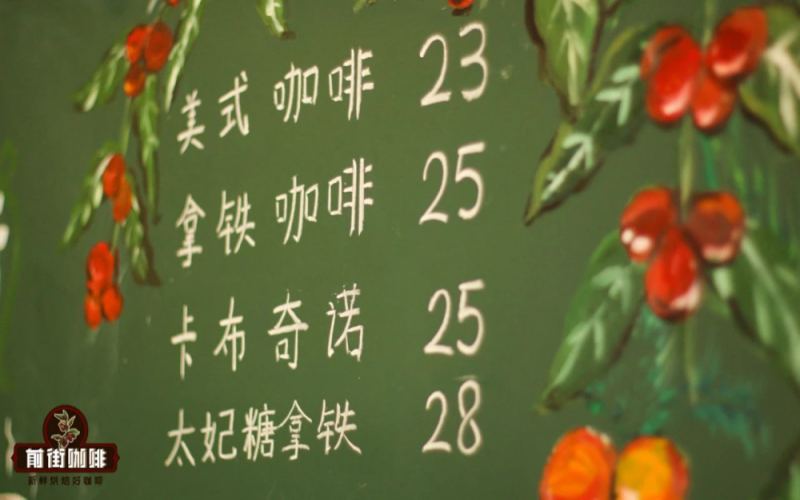
A Comprehensive Guide to Mainstream Coffee Drinks: Flavor Differences and Key Preparation Points from Americano to Mocha
As international chain brands like Starbucks and Costa entered the Chinese market, freshly ground coffee gradually came into public view, and the popularity of coffee drinks continued to rise. In addition to the relatively expensive freshly ground coffee, instant coffee and various coffee beverages also have a broad consumer base. Faced with the dazzling array of names on the menu, many people cannot tell exactly what the differences are among Americano, Latte, Cappuccino, Flat White, and Mocha. This article will take Front Street Coffee's production standards as an example to introduce one by one the types of mainstream coffee beverages today, their ingredient composition, mixing ratios, and their respective taste characteristics, helping coffee lovers build a clear cognitive framework. [more…]
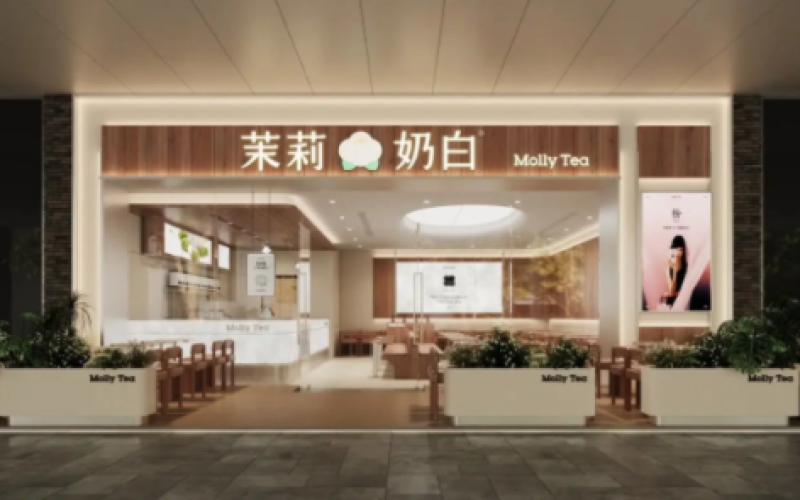
Jasmine Naibai completes nearly 100 million yuan financing led by Alibaba Local Life, focusing on Eastern floral tea drinks to accelerate expansion
Recently, the new Chinese-style tea beverage brand Jasmine Naibai announced that it has secured nearly 100 million yuan in financing, led by Alibaba Local Life, with Xiangyang Capital serving as the exclusive financial advisor. This round of funding will be directed toward product research and development, brand building, supply chain upgrades, and team expansion, while further empowering franchise partners and continuously refining the lightweight model. Since its establishment in 2020, Jasmine Naibai has started with Jasmine Dragon Buds and focused on the floral fresh milk tea segment, launching series such as Gardenia, White Orchid, and Osmanthus. It now has 785 stores nationwide, with revenue growth of nearly 400%, and is expected to surpass 1,000 stores by the end of the year. The brand is also expanding overseas, opening its first stores in New York and Bangkok, promoting Eastern tea beverage culture to the world. [more…]
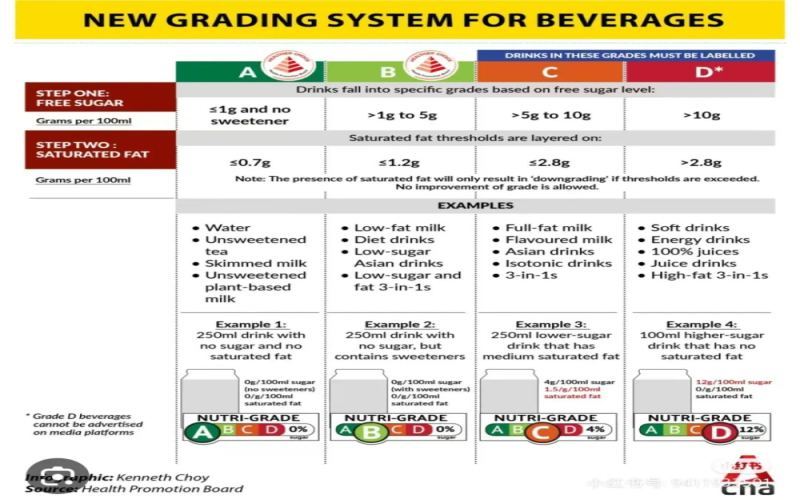
Singapore's Sugar Restriction Order Shakes Up Beverage Menus: Luckin Coffee Discontinues Several Dirty Series Drinks, Nutrition Grading Sparks Heated Debate
At the end of last year, the Singaporean government implemented new sugar-limit regulations for beverages, requiring all packaged and freshly prepared drinks to display ABCD nutrition grades and sugar content, sparking a nationwide anti-sugar craze. Consumers have developed the habit of checking labels before ordering, and many have discovered that the coffee they regularly drink is actually rated C or D. Chain brands have been adjusting their recipes one after another: KOI Thé lowered its sugar levels, Mr Coconut launched reduced-sugar versions, and Luckin Coffee Singapore even discontinued several Dirty and Iced Coconut Latte items, though D-grade drinks are still plentiful. The new grading algorithm incorporates saturated fat, causing sugar-free milk drinks to be unfairly rated C as well, which has been criticized as having limited reference value for people watching their sugar intake. Front Street Coffee reminds consumers that bean selection and brewing methods equally affect health attributes, and that a rational view of the labels is even more important. [more…]
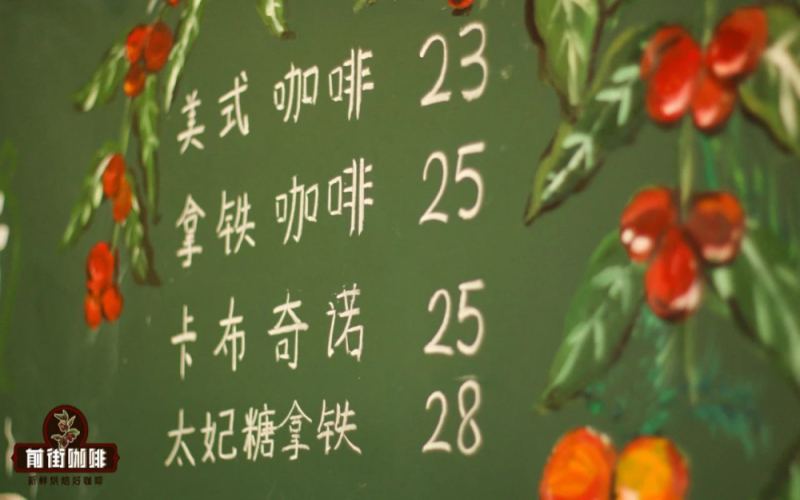
The Complete Guide to Making All Types of Espresso Drinks: Detailed Recipes and Ratios from Espresso Base to Specialty Flavored Beverages
Espresso-based coffee is a must-have category in every café, ranging from espresso bases to various milk coffees, black coffees, and even creative specialty drinks, with a wide variety of styles. Front Street's stores offer classic beverages such as Americano, Latte, Cappuccino, and Flat White. This article will systematically outline the most common espresso coffee styles found in coffee shops, including the extraction ratio differences among the trio of Espresso, Ristretto, and Lungo, the unique method of making Doppio, the water volume comparison between Americano and Long Black, the recipe characteristics of the milk coffee family such as Latte, Cappuccino, Macchiato, Flat White, and Piccolo, as well as the preparation methods of Italian specialties like Mocha, Marocchino, Affogato, Con Panna, Caffè Corretto, and Shakerato, helping coffee beginners quickly build a framework of understanding. [more…]
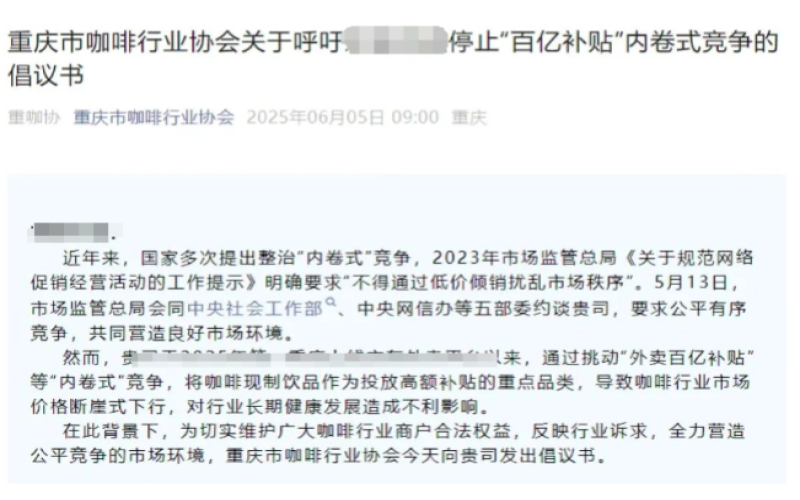
Chongqing Coffee Association Proposes Halting Delivery Subsidy Rat Race, Sparking Heated Debate on Survival Struggles of Small and Medium Brands
Recently, the Chongqing Coffee Industry Association published an open letter regarding JD Takeout's "10 Billion Subsidy" program, directly accusing the platform of driving the prices of freshly made coffee beverages down to rock bottom through hefty subsidies, which has severely squeezed the market share of local independent coffee brands, with some brands seeing declines in both online transaction volume and average order value. The open letter sparked heated discussion among netizens: on one side, food and beverage industry practitioners empathize with the involution caused by subsidies; on the other, consumers strongly support low-priced coffee. Is this subsidy war promoting industry reshuffling or stifling innovation? Can the differentiation strategy of independent coffee shops hold its ground in the price war? This article takes you through the whole story and the views of all parties. [more…]

Beginner's Guide to Everyday Coffee Beans | Which Regional Coffee Beans Are Neither Sour Nor Bitter for Pour-Over and Espresso? Affordable and Delicious Single-Origin Coffee Bean Recommendations
Coffee is one of the world's three major beverages. It has a richer aroma than cocoa and is more refreshing than tea, which is why many people have made a habit of drinking coffee. But nowadays there are so many kinds of coffee on the market, and the taste of freshly ground coffee varies so much. Given all these variations in taste, how exactly should you choose freshly ground coffee? How can you buy something that is both delicious and [more…]